My Favorite Hockey Player Calls Me Daddy Graphics and Crafts Review
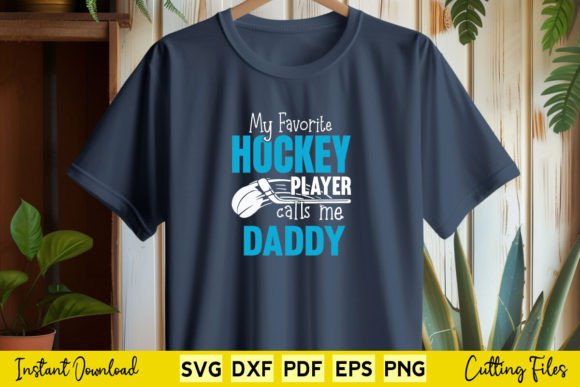
As a brand designer who spends half my day tweaking kerning and the other half strategizing content funnels, I approach every new design asset with a mix of skepticism and curiosity. Recently, I came across a file titled My Favorite Hockey Player Calls Me Daddy Gift Svg T shirt Design. On the surface, it sounds like a niche novelty item, but in the world of digital marketing, niche appeal is often where the highest conversion rates live. This article breaks down how this specific graphic design asset fits into real-world branding workflows, from social media campaigns to physical product lines.
First Impressions and Emotional Tone
When you first load a file like this into your design software, the immediate question is always: does it feel professional? The phrase "My Favorite Hockey Player Calls Me Daddy" carries a distinct tonal weight. It is playful, slightly edgy, and deeply rooted in internet culture and sports fandom. For a small business owner or a content creator targeting a younger, highly engaged demographic, this asset offers an instant emotional hook. It creates a mood that is casual yet confident. It signals to the audience that the brand does not take itself too seriously, which can be a powerful tool for building community and relatability on platforms like Instagram or TikTok.
The visual hierarchy of such text-based designs relies heavily on typography and layout balance. If executed well, this SVG design allows the message to breathe. It works best when paired with clean, modern sans-serif fonts for any additional copy, ensuring the main graphic remains the focal point. It is not suitable for formal corporate branding or high-end luxury packaging, but for lifestyle brands, handmade goods, or fan-centric merchandise, it provides a strong visual identity that resonates with specific subcultures.
Fitting Into a Real Marketing Workflow
Imagine you are launching a new line of apparel for a local hockey league or creating a seasonal promotional bundle for a craft fair. You need visuals that stop the scroll. A static image might get lost in the feed, but a dynamic SVG design can be manipulated, colored, and scaled to fit various formats. Using the My Favorite Hockey Player Calls Me Daddy asset as part of a broader content kit allows you to maintain consistency across channels.
For instance, you could use the vector file to create a cohesive set of marketing visuals. Start with a hero graphic for your website header or Facebook ad campaign. The scalability of the SVG format ensures that whether it is displayed on a large desktop monitor or a mobile phone screen, the edges remain crisp. From there, you can extract elements to use as decorative accents on email banners or lead magnets. This approach supports stronger first impressions by ensuring that your brand’s visual language is uniform, whether a customer encounters you on Pinterest pins or in their inbox.
Practical Applications Across Channels
This design asset is versatile enough to support multiple stages of the customer journey. Here is how it performs in key marketing situations:
- Social Media Graphics: Use it for Instagram posts or Pinterest pins to drive traffic to your shop. The bold nature of the text makes it readable even at smaller sizes, which is crucial for mobile users scrolling quickly.
- Packaging Design: If you are selling physical products like mugs, hoodies, or stickers, this PNG or SVG design can be printed directly onto the items. It serves as a unique selling proposition (USP) that differentiates your merchandise from generic sports gear.
- Digital Ads: Incorporate it into Facebook or Google ads targeting hockey fans. The humorous or affectionate tone can increase click-through rates by appealing to the viewer’s sense of humor or team pride.
- Editorial Design: Use it as a featured element in blog graphics or newsletter headers. It adds personality to written content, making dry updates feel more engaging and personal.
Supporting Brand Goals and Audience Trust
Effective branding is not just about looking good; it is about communicating clearly. By integrating this graphic design asset into your strategy, you achieve several strategic goals. First, it enhances visual hierarchy. When used correctly, it draws the eye immediately to the core message without clutter. Second, it builds audience trust. Consistent, high-quality visuals signal professionalism, even if the subject matter is lighthearted. Customers are more likely to buy from a brand that presents its products with care and attention to detail.
Furthermore, this asset helps in creating memorable campaign visuals. In a crowded market, uniqueness is key. A design that combines sports fandom with a catchy phrase stands out against competitors who may only use standard team logos. This emotional connection can turn casual browsers into loyal customers who feel a sense of belonging to your brand community.
Where to Exercise Caution
While this asset has strong potential, it is not a one-size-fits-all solution. There are specific contexts where it should be used carefully or avoided entirely. For example, do not use it for formal corporate branding or dense information layouts where clarity is paramount. The playful tone may undermine the seriousness required in those scenarios. Additionally, avoid placing it on low-contrast backgrounds or using it in overly minimal designs where it might compete with the main message rather than complement it. Always test readability in small sizes, especially for mobile-first campaigns, to ensure the text remains legible.
Designer Notes for Implementation
To get the most out of the My Favorite Hockey Player Calls Me Daddy SVG design, follow these practical tips from a brand designer’s perspective:
- Color Palette Testing: Experiment with colors that align with your brand identity. Try dark backgrounds with bright text for high contrast, or pastel tones for a softer, lifestyle-oriented look.
- Font Pairing: Compare how the design pairs with different font styles. A script font might add elegance, while a handwritten font could enhance the casual vibe. Ensure the combination maintains visual balance.
- Mockup Preview: Place the design inside real campaign mockups before finalizing. Check how it looks on t-shirts, mugs, and digital screens to identify any spacing or scaling issues.
- Licensing Verification: Confirm commercial licensing before using it in paid campaigns or client work. Ensuring you have the right to use the design commercially protects your business from legal issues.
In conclusion, this digital product offers a compelling opportunity for creative entrepreneurs and small business owners to inject personality into their marketing materials. By understanding its strengths and limitations, you can leverage this asset to create professional branding that resonates with your target audience. Whether you are refreshing your social media presence or launching a new product line, thoughtful integration of such design assets can significantly enhance your overall content marketing strategy.