Surely Not Everybody Was Kung Fu: A Designer’s Embroidery Review
As an embroidery designer who spends more time than I care to admit staring at stitch charts and testing thread tensions, I approach every new design file with a mix of optimism and skepticism. We all know the feeling: you see a cute graphic online, download it, pop it into your software, and then reality sets in. Will it actually stitch out cleanly? Is the text legible after five washes? Does it look like a professional finished product or a hobbyist mistake?
This is where my review of Surely Not Everybody Was Kung Fu Fighting Vintage Funny Svg Design comes in. While this asset is marketed as a print cut file for Cricut and Silhouette machines—making it a versatile Graphics category item within Crafts—its visual structure holds specific implications for those of us looking to translate that energy into machine embroidery design. Below, I break down how this design performs when moved from screen to hoop, what kind of handmade product it suits best, and where it might trip up even experienced embroiderers.
First Impressions: Mood and Visual Personality
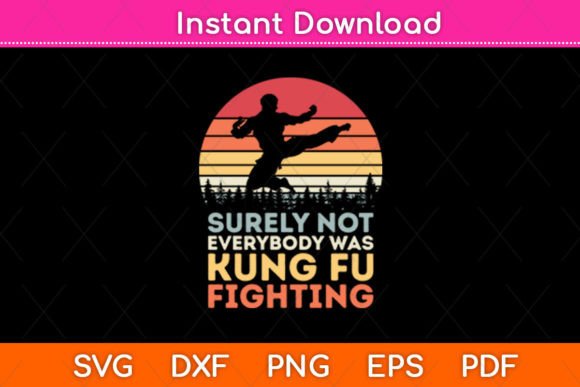
The title alone, "Surely Not Everybody Was Kung Fu," immediately signals a playful, retro vibe. The phrase suggests a humorous take on martial arts tropes, likely leaning into vintage aesthetics or nostalgic typography. For an embroidery project, mood is everything. This design doesn’t scream high fashion; it screams comfort, humor, and personality.
Visually, the layout appears to prioritize readability and charm over intricate detail. In my experience, designs that rely heavily on clever wordplay or bold statements work exceptionally well in custom apparel because they act as conversation starters. When I first looked at the vector structure, I noted that the curves and angles seem designed to hold attention without overwhelming the eye. It feels balanced, which is crucial when deciding placement on garments like sweatshirt embroidery or tote bag design projects.
The "Vintage Funny" descriptor is key here. It suggests that the color palette and line work are intended to mimic older printing styles. When digitizing or preparing this for embroidery, this means we need to be mindful of how that vintage feel translates through thread. Satin stitches can sometimes make sharp lines look too crisp, losing that desired worn-in aesthetic unless carefully managed.
Real-World Application: Where This Design Shines
I recently considered using a similar concept for a batch of personalized gifts for a client’s birthday party. The goal was to create something fun but wearable. Here is how Surely Not Everybody Was Kung Fu fits into various scenarios:
- Custom Apparel and Sweatshirts: This is the natural home for this design. The humorous tone pairs perfectly with cozy fabrics. On a heavyweight cotton sweatshirt, the design would anchor the garment well, offering a bold statement piece for casual wear.
- Tote Bags and Canvas Items: As a tote bag design, this works beautifully. Canvas provides a stable surface that handles medium-density stitching well. It’s perfect for an Etsy seller looking to create unique small shop product listings that stand out in a crowded marketplace.
- Embroidered Patches: If converted into an embroidered patch, this design could add character to denim jackets or backpacks. The compact nature of many phrase-based designs allows them to fit neatly onto standard patch sizes.
- Baby Embroidery and Nursery Decor: While slightly edgy for some tastes, the humor makes it a great choice for parents with a sense of whimsy. Imagine this on a baby onesie or a nursery wall hanging—it adds a layer of personality beyond typical floral or animal motifs.
For digital creators, this serves as excellent design assets. Even if you aren’t embroidering it yourself, creating printable mockups featuring this design can drive traffic to your store. Buyers love seeing how a design looks in context, and the strong visual hook of the text ensures engagement.
Technical Considerations and Stitching Challenges
No design is flawless, and understanding the limitations is part of being a professional. When evaluating Surely Not Everybody Was Kung Fu for actual production, several factors require careful attention.
Hoop Size and Stitch Density
The most critical factor is ensuring the hoop size matches the design’s dimensions. If the text is wide, you may need a larger hoop, which can limit placement options on smaller items like caps or baby clothes. Furthermore, check the stitch density. If the design relies on heavy fill areas to create shadows or backgrounds, ensure your machine can handle it without puckering the fabric. Too much density on lightweight materials can ruin the drape of the final finished product.
Fabric Texture and Stabilizer Choice
This design will perform best on stable, woven fabrics. Avoid textured fabrics like bouclé or heavy knits unless you are highly experienced, as the needle penetration can become inconsistent. Always use the proper stabilizer. For a custom apparel item like a t-shirt, a tear-away stabilizer is usually sufficient, but for stretchy fabrics, a cut-away stabilizer is non-negotiable to prevent distortion during washing.
Thread Colors and Contrast
Vintage designs often rely on subtle contrasts. When selecting thread colors, test them against your fabric. A light gray thread on a heather gray shirt might disappear, while a stark white might look too harsh. I recommend running a black-and-white mockup first to evaluate contrast levels before committing to expensive specialty threads.
Where to Use Caution
While this design has broad appeal, there are specific contexts where it should be used carefully:
- Small Hoop Sizes: If the text includes tiny lettering or intricate details, avoid shrinking it down to fit a small hoop. Legibility is paramount in personalized gift items; customers want to read the joke instantly.
- Curved Surfaces: Applying this to curved surfaces like baseball caps requires precise hooping techniques. If the design isn’t pre-curved for digitization, it may look distorted on the front panel.
- Dense Stitch Areas: Be wary of any decorative accents that are overly dense. These can lead to needle breaks or thread jams, especially if you are running multiple units for a craft business.
- Thin or Stretchy Fabrics: Without adequate support, thin fabrics may pucker around the edges of the design, affecting the overall professionalism of the item.
Final Verdict: Professional Judgment
Surely Not Everybody Was Kung Fu Fighting Vintage Funny Svg Design is a strong contender for designers looking to add humor and personality to their catalog. Its clear visual hierarchy and relatable theme make it suitable for a wide range of commercial embroidery applications, from boutique branding to holiday gifts.
However, success lies in execution. Take the time to test the design on scrap fabric. Inspect the satin stitch edges for smoothness, verify the running stitch clarity, and ensure the applique design elements (if applicable) lay flat. By paying attention to these details, you transform a simple digital graphic into a high-quality embroidery file that customers will trust and cherish.
For Etsy sellers and creative entrepreneurs, this design offers a low-risk, high-reward opportunity. It’s versatile enough for personal use yet robust enough for commercial scaling. Just remember to confirm licensing terms before selling finished items or digital product sellers distributing the file. With the right preparation, this design can become a standout piece in your embroidery project portfolio.